
Our Story
Our Story
You cannot tell the story of Right to Care without telling the story of South Africa’s HIV epidemic. The two are woven together.
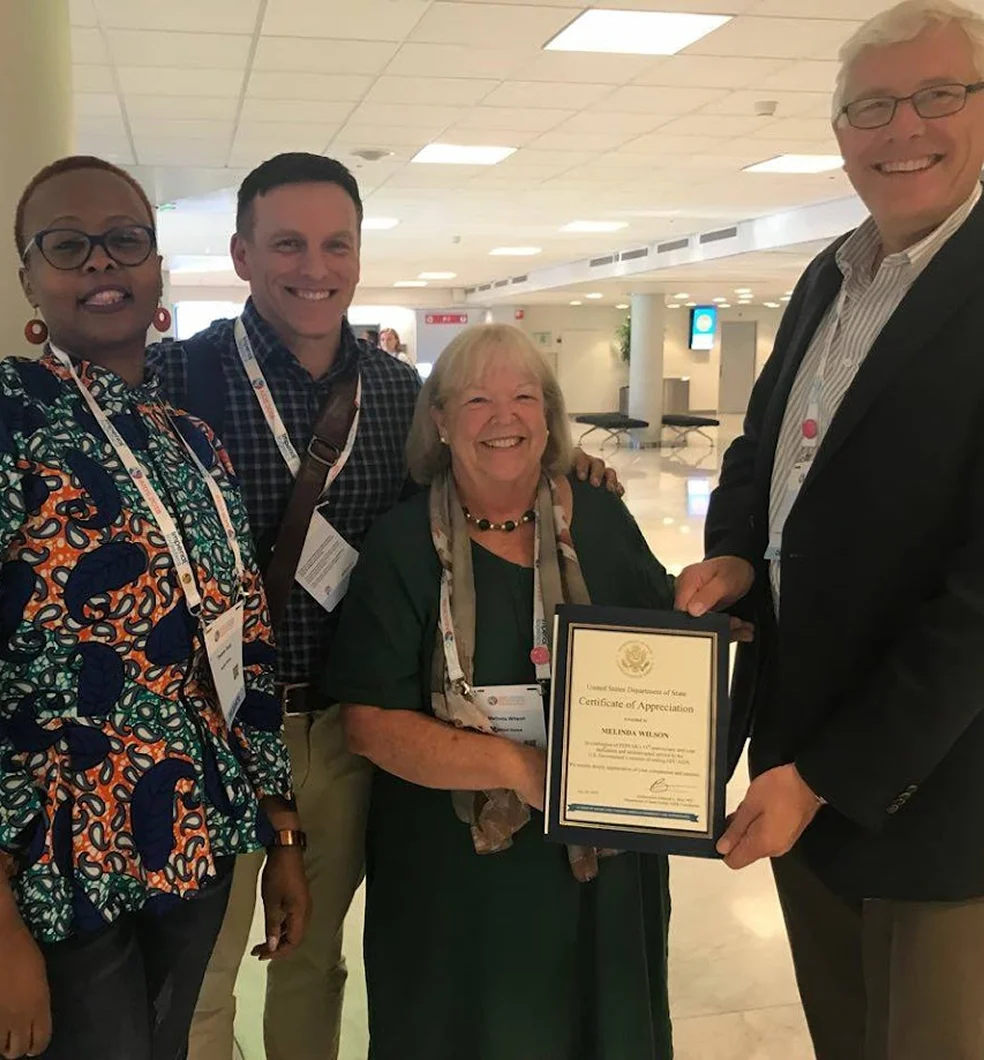
The Founding (2001–2002)
In 2001, South Africa was at the epicentre of the world’s worst HIV epidemic. Millions were infected. The drugs that could save them existed but were priced beyond what public hospitals could afford. The government’s response was slow and mired in controversy. People were dying every day.
Professor Ian Sanne had already built the Clinical HIV Research Unit at Wits and would later co-found the Health Economics and Epidemiology Research Office (HE²RO) with Boston University. He knew the science. He knew what treatment could do. And he was unwilling to wait for the politics to catch up. He registered Right to Care as a Section 21 nonprofit in Johannesburg with two goals: get antiretroviral drugs at prices the public sector could afford, and get treatment programmes running in public facilities.
In 2002, USAID came onboard as the first major funder. The money allowed Right to Care to move fast—from a small, founder-driven operation to a properly structured, professionally managed NGO.
Scaling the Response (2005–2010)
By 2005, South Africa had the highest HIV rates in the world, with over five million people living with the virus. Right to Care was supporting over 10,000 patients on ART by 2006, and by 2009 had provided HIV counselling and testing to more than 200,000 South Africans, with over 100,000 public patients in clinical care.
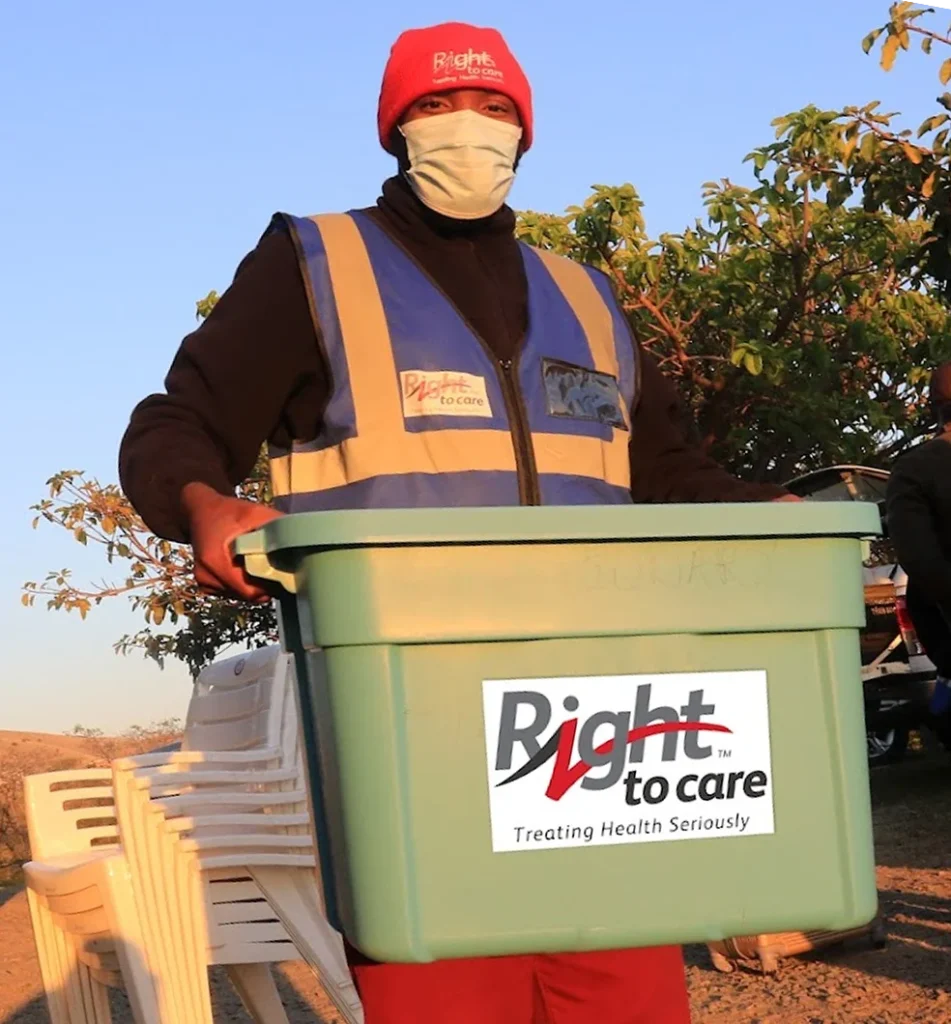
In 2010, a pivotal year, staff grew to 500, and Right to Care was awarded a principal grant from the Global Fund to Fight AIDS, Tuberculosis, and Malaria. The organisation began a strategic transition from direct service delivery to technical assistance for the National Department of Health—recognising that sustainable impact required building the government’s own capacity. That same year, the innovative Right ePharmacy supply chain management programme was launched.
Innovation and Expansion (2011–2017)
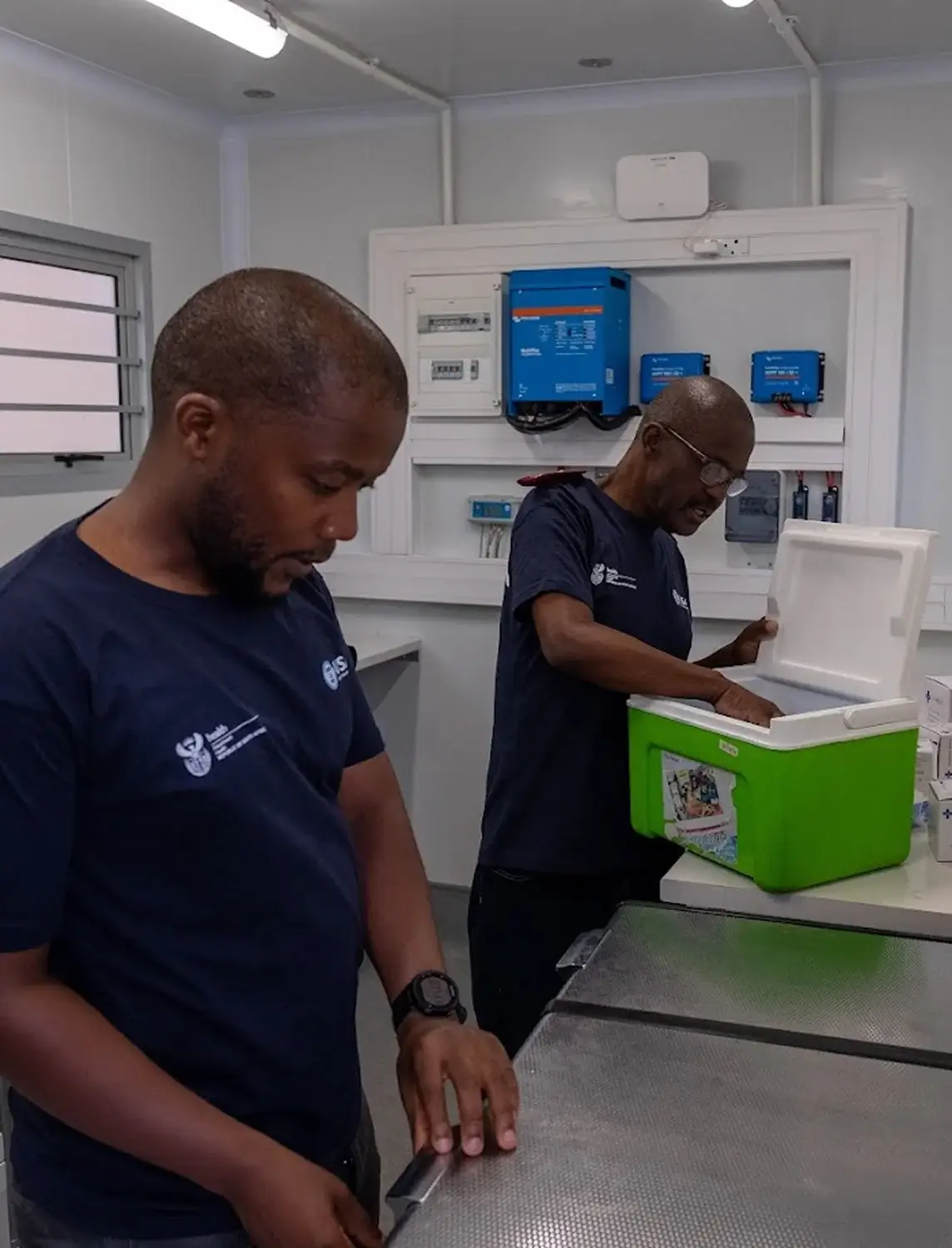
The 2011–2017 period saw Right to Care mature into a multi-faceted health organisation. Key developments included aligning with the National Strategic Plan on HIV, STIs, and TB, supporting the Department of Correctional Services for inmate healthcare, becoming the primary partner for USAID’s Voluntary Medical Male Circumcision programme (2012), and supporting the rollout of Bedaquiline—the first new TB drug in 40 years (2014).
In 2015, Right to Care became the principal recipient of a Global Fund grant targeting HIV among key populations, including men who have sex with men, transgender people, and people who inject drugs. In 2016, operations expanded beyond South Africa’s borders when the EQUIP consortium was
established under PEPFAR and USAID—the first African-led global health consortium of its kind,
working across 17 countries.
The year 2017 marked a milestone moment: the one-millionth medical male circumcision. QODE Health Solutions was formed through a partnership with the Foundation for Professional Development to enhance programme data systems.
Digital Transformation (2018–2020)
In 2018, Right ePharmacy launched Africa’s first “ATM pharmacy” in Alexandra, Johannesburg—using robotic technology to dispense medication in under three minutes. Right Clinic was established to re-engineer primary healthcare, launching its first facility in Cosmo City. PEPFAR-USAID awarded a major grant to accelerate South Africa’s HIV response.
By 2019, over 1,000 healthcare workers had been trained on Dolutegravir (a breakthrough antiretroviral), and Right to Care’s Strategic Information office had introduced “situation rooms”—using near-real-time data, AI, and machine learning for rapid programme monitoring and intervention.
In 2020, when the COVID-19 pandemic struck, Right to Care pivoted rapidly to support the South African Department of Health’s national coronavirus response, leveraging its data infrastructure, GIS mapping capabilities, and established clinical networks.


Maturity and Transition (2021–Present)
Under the leadership of CEO Dr Victor Litlhakanyane (appointed September 2023), Right to Care continues to evolve. With Professor Sanne having served as CEO from 2001 to 2023, the organisation now operates under new executive leadership while maintaining its founding commitment to innovation and evidence-based healthcare. Dr Eula Mothibi leads Right to Care International as Executive Director, bringing 27 years of expertise in clinical internal medicine and public health systems. The organisation
has fully localised country programmes in Zambia, Malawi, and Lesotho, fulfilling PEPFAR’s
sustainability requirements.